

 Feed back
 Privacy Policy
It was a quiet Sunday morning in March 2025 in suburban Chicago when 8-year-old Liam reached for his backpack near the couch—and Max, the family’s usually gentle golden retriever, lunged. Teeth bared, a deep growl ripped through the room. No bite, but the fear in Liam’s eyes said everything. For months, these episodes had been escalating: guarding toys, snapping at visitors, stiffening when approached during meals. The parents blamed “dominance.” They tried alpha rolls, stern commands, even avoiding eye contact, believing they needed to “show him who’s boss.” But by summer, Max bit a relative on the arm. It wasn’t out of nowhere—it was the result of years of misreading signals and outdated advice.
You’re not alone if you’ve felt that knot in your stomach when your dog growls at someone, or flinches when you reach for their food bowl. In 2025, over 4.7 million dog bites are reported annually in the U.S., according to the CDC—nearly half occurring in homes where owners believed their pet was “just protective” or “acting dominant.” But here’s the hard truth: aggression in dogs is rarely about power struggles, and treating it as such can make things far worse.
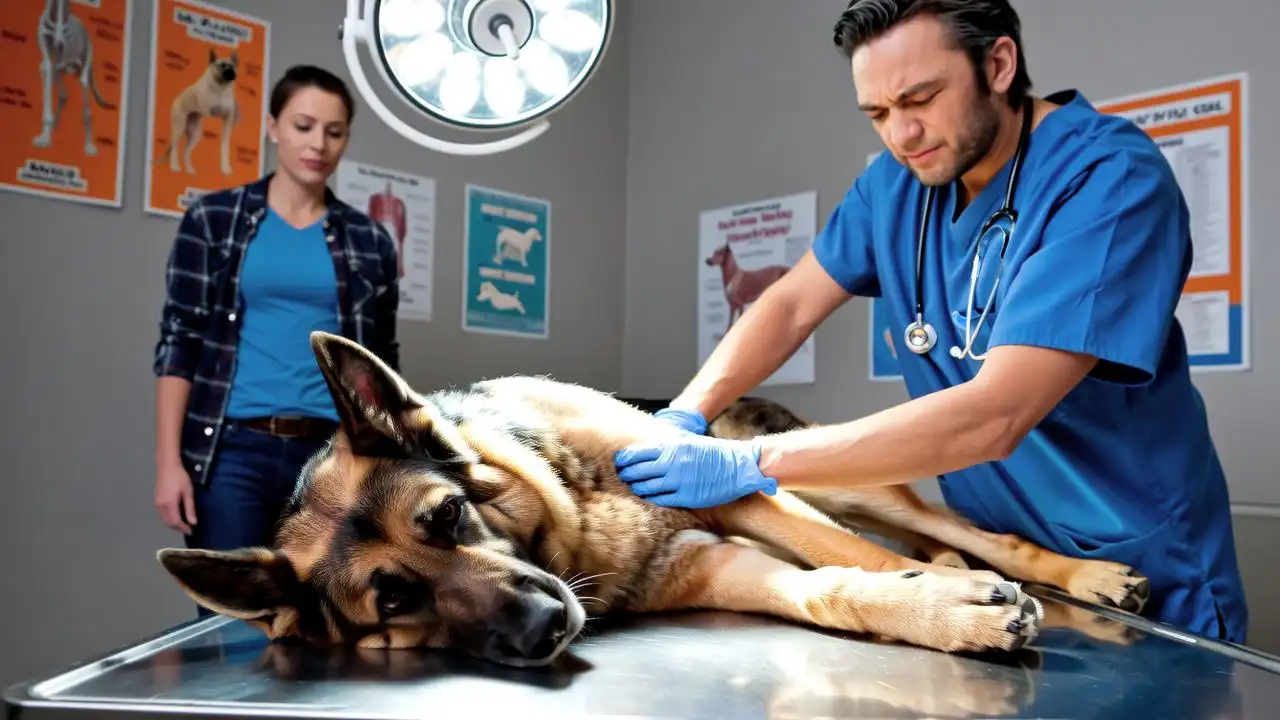
Take Sarah from Portland, Oregon. Her 3-year-old German shepherd, Rex, started growling at her husband whenever he walked past the bedroom door. They assumed Rex was “claiming territory” and challenged him with firm stares and loud commands. Within weeks, Rex bit him during an argument—breaking skin. A visit to a veterinary behaviorist revealed something shocking: Rex had undiagnosed hip dysplasia. The pain made him defensive in tight spaces. He wasn’t asserting dominance—he was protecting himself.
Stories like this are alarmingly common. In a 2024 survey by the American Veterinary Medical Association (AVMA), 68% of dog owners who experienced biting incidents admitted they initially interpreted the behavior as “dominance” or “stubbornness.” Only after professional evaluation did they realize underlying causes like anxiety, illness, or trauma were driving the aggression.
The concept of “dominance” in dogs stems from early 20th-century studies of captive wolves forced into artificial packs. Researchers observed aggressive hierarchies and concluded that wild canines operate on strict dominance rules. That model was then applied to domestic dogs—despite the fact that pet dogs live in cooperative, resource-rich environments unlike anything seen in the wild.
Let’s break down three myths still circulating in popular dog culture:
1. Myth: If your dog walks ahead of you on walks, they’re trying to lead.
Reality: Dogs explore scents. Walking ahead doesn’t mean they think they’re in charge—it means they’re following their nose.
2. Myth: You must eat before your dog to show leadership.
Reality: There’s zero scientific evidence linking meal order to social status in household pets. This ritual does nothing to prevent dog bite prevention issues.
3. Myth: Alpha rolls teach submission.
Reality: Forcing a dog onto its back triggers panic, not respect. The Humane Society reports a 32% increase in redirected aggression cases linked to physical corrections since 2020.
Aggression is not a personality trait. It’s a survival response. Think of it like a smoke alarm: it only goes off when there’s perceived danger. In dogs, that danger could be physical pain, emotional overwhelm, or learned trauma.
Consider the biological cascade:
When a dog feels threatened, the amygdala fires. Stress hormones—cortisol and adrenaline—flood the system. The brain shifts from “learning mode” to “survival mode.” Commands go unheard. Rational thought shuts down. At this point, the dog isn’t choosing to disobey—they’re reacting instinctively.
A 2025 report from the Journal of Veterinary Behavior analyzed 1,200 cases of home-based aggression and found:
- 41% involved undiagnosed medical conditions (arthritis, dental pain, neurological issues)
- 33% stemmed from fear due to lack of early socialization
- 18% were linked to inconsistent training or punishment-based methods
- Only 4% showed any traits resembling true dominance-related conflict
Your living room might be a minefield of stressors you don’t even notice.
Take lighting: Harsh overhead lights can increase anxiety in sensitive dogs. A 2024 Colorado State University study found dogs exposed to bright LED lighting exhibited 27% more stress behaviors than those in softly lit rooms.
Or sound: Modern homes are noisy. Smart speakers, HVAC systems, and televisions emit constant low-frequency hums that dogs hear more acutely than humans. Chronic noise exposure has been linked to increased vigilance and reactivity.

Disclaimer: The information provided in this article is for educational purposes only and should not be considered as professional advice. Always consult with a qualified veterinarian or animal behaviorist for specific concerns regarding your pet's behavior.
Elena Thompson
|
2025.10.30
