

 Feed back
 Privacy Policy
It started with Bella, a five-year-old border collie mix adopted during the pandemic surge. By early 2025, her owner, Sarah Kim of Portland, Oregon, noticed something strange—not aggression, not sickness, but a slow retreat into silence. Bella stopped greeting guests. She'd whine at night without cause. Walks became battles. Bloodwork came back clean. Then Sarah heard about Dr. Lena Torres, a certified pet therapist specializing in canine anxiety and trauma recovery.
"She didn't try to 'fix' Bella," Sarah recalls. "She asked what happened when I left the house. She watched how Bella reacted to certain sounds. After three sessions, she suggested environmental changes, scent cues, even music therapy. Within weeks, Bella was wagging again."
Bella's story isn't rare anymore. Across the United States, more pets are receiving emotional support from trained animal mental health professionals than ever before. In 2025, the term pet counseling is no longer niche jargon—it's entering mainstream consciousness.

Consider this: nearly 74% of US households own a pet, totaling over 200 million animals. According to a landmark 2024 report by the American Veterinary Medical Association (AVMA), up to 38% of dogs and 32% of cats show clinical signs of anxiety, depression, or PTSD-like behaviors. These numbers demonstrate why pet therapists are becoming essential in modern animal care.
Take Max, a retired police K-9 in Dallas. After years of high-stress operations, he developed hypervigilance and panic attacks triggered by loud noises. His handler, Officer Ray Lopez, initially thought it was aging. But after a referral to an animal mental health professional, Max began structured desensitization therapy—and slowly regained peace.
"We treat our veterans," says Dr. Elena Vasquez, a board-certified veterinary behaviorist turned pet therapist in Austin. "Why wouldn't we do the same for service animals who've lived through similar traumas?"
Research published in Frontiers in Veterinary Science (2023) revealed that over 60% of behavioral cases had underlying anxiety or trauma roots. This finding has revolutionized how we approach pet counseling and emotional support for animals.
Between 2023 and 2025, Google searches for "pet counseling near me" rose by 217%. LinkedIn saw a 90% increase in profiles listing "animal mental health professional" as a title. Universities like UC Davis and Cornell now offer postgraduate certificates in Companion Animal Psychology.
In rural Colorado, Dr. Rafael Mendez runs a ranch-based program for traumatized equines using gentle touch and music-assisted relaxation. Meanwhile, in Miami, Dr. Priya Shah specializes in exotic pets, designing enrichment plans grounded in ethology.
By 2025, specialization within pet therapy has expanded dramatically, including grief counseling, separation anxiety treatment, and behavioral rehab for rescued animals.
1. Pre-Assessment: Digital intake form covering medical history and behavioral concerns
2. Initial Consultation: 60-minute observation of pet in home environment
3. Diagnosis & Plan: Identification of emotional triggers and interventions
4. Follow-Ups: Progress tracking via owner journals and wearable biometrics
5. Gradual Discharge: Tapering sessions as stability is achieved
- AI-Powered Mood Collars: Analyze vocal pitch and movement patterns
- Virtual Reality Exposure Therapy: For dogs with noise phobias
- DNA-Based Behavioral Insights: Genetic screening for anxiety predispositions
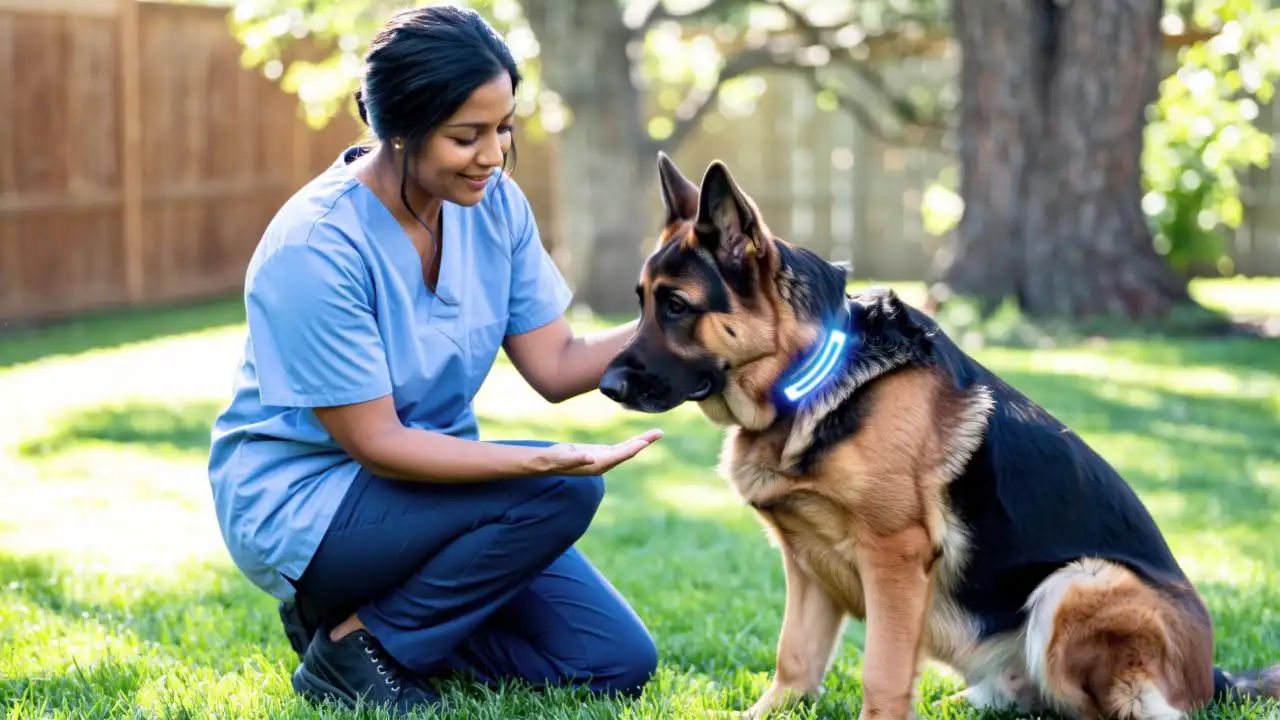
As Dr. Torres, Bella's pet therapist, puts it: "We don't cure pets. We create conditions where healing can happen."
Q: Can any vet become a pet therapist?
A: Not automatically. Certification requires coursework in animal cognition and therapeutic techniques.
Q: Is pet counseling covered by insurance?
A: Major providers now cover up to 60% of costs if medically necessary (AVMA 2025 report).
Q: Do animals experience depression?
A: Studies confirm animals display behavioral despair and neurochemical imbalances (Frontiers in Veterinary Science 2024).
【Disclaimer】The information about is for reference only and does not constitute professional advice. Consult qualified specialists for decisions regarding animal care. The author and publisher disclaim responsibility for any actions taken based on this content.
Sophia Mitchell
|
2025.10.30
