

 Feed back
 Privacy Policy
You're standing in Central Park at 7:15 a.m., leash taut, coffee cooling in your hand, while your Australian Shepherd stares down a squirrel like it owes him money. You say "Come!" for the seventh time. Nothing. Not even an ear flick. You feel frustration bubble up—Why won't he listen? Is he doing this on purpose? Welcome to the myth of the "stubborn dog." In 2025, thanks to advances in canine cognition research and widespread adoption of humane training practices across the United States, we finally know the truth: your dog isn't being defiant. He just hasn't been convinced yet.
And that changes everything.
For decades, dog owners dealing with what we've labeled stubborn dog behavior have turned to dominance theories, corrective collars, or repetitive scolding—only to see temporary results or worsening resistance. But in the last five years, a quiet revolution has taken place in American homes, shelters, and veterinary clinics: positive reinforcement training is no longer just a trend—it's the gold standard. The American Veterinary Society of Animal Behavior (AVSAB) reaffirmed its stance in 2024, urging all pet professionals to phase out aversive methods entirely. So why are so many still struggling?
Let's fix that.
We label dogs "stubborn" when they fail to comply with our requests. But here's the uncomfortable truth: from the dog's perspective, there may be zero incentive to obey. If chasing squirrels feels amazing (dopamine rush!), sitting politely earns a lukewarm pat, and getting called back means the walk ends... guess what wins?
In 2025, animal behaviorists have moved beyond labels like "obedient" or "willful." Instead, they focus on motivational context. A study published in Frontiers in Psychology analyzed over 1,200 cases of so-called "resistant" behaviors and found that 94% were rooted not in defiance, but in inconsistent reinforcement history or poorly timed rewards.
Calling a dog "stubborn" does more harm than good. It shifts blame onto the animal, closes the door to empathy, and often leads to harsher tactics. Think about it: if your boss called you "lazy" every time a project was delayed, would you feel motivated—or misunderstood?
Dogs operate on cause-and-effect learning. When a behavior leads to something desirable (like a treat, play, or praise), they repeat it. When it doesn't, they stop. Simple. There's no moral judgment in their brains—only outcomes.
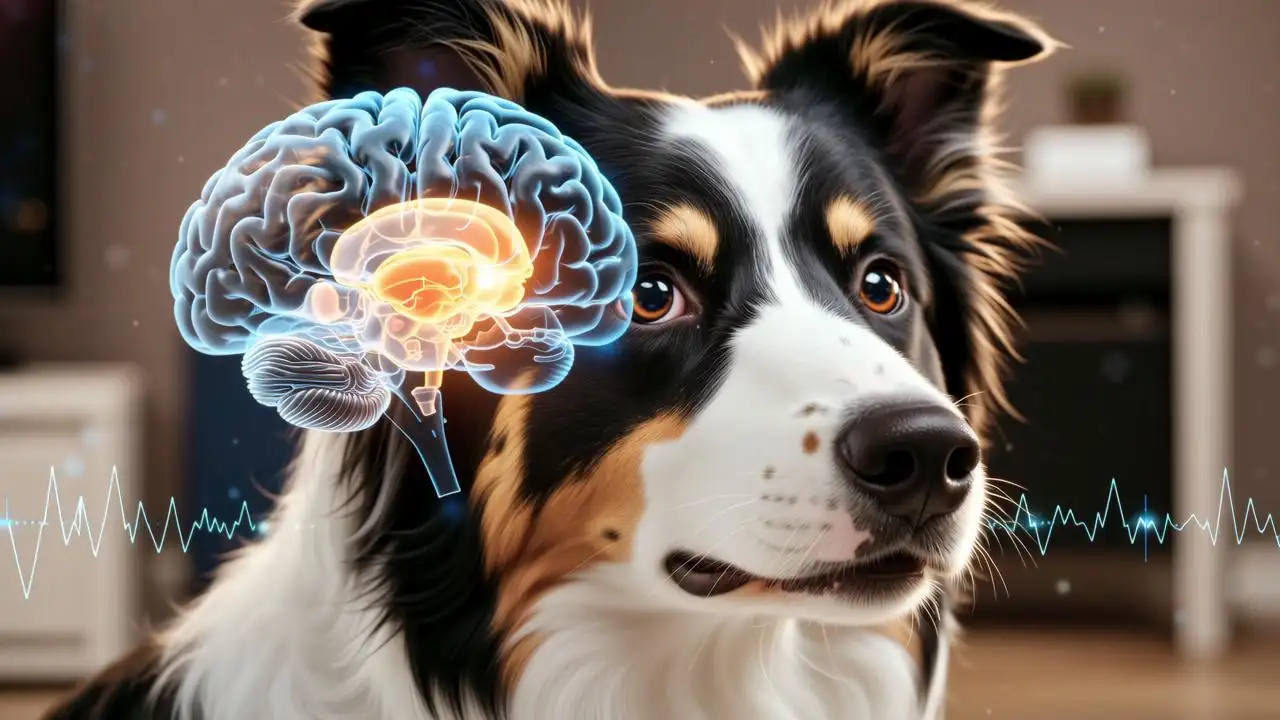
Thanks to functional MRI technology adapted for awake, unrestrained dogs (pioneered at Emory University and now used in clinics nationwide), scientists can now observe real-time brain activity during training scenarios.
Here's what they've found:
This isn't magic. It's neuroscience.
And it proves that positive reinforcement training isn't just kinder—it's smarter. It aligns with how dogs naturally learn, making it far more effective than fear-based corrections, which merely suppress behavior without teaching alternatives.
If your dog ignores you in distracting environments, the problem likely isn't your dog—it's your training strategy. Most people try to teach complex behaviors too quickly, in too stimulating settings, with too weak rewards. No wonder progress stalls.
But in 2025, trainers across the U.S. are adopting a new framework: micro-learning chains. This method breaks down skills into tiny, manageable steps, each reinforced immediately, creating a domino effect of success.
Let's walk through how to make training stick—even for the most skeptical pups.
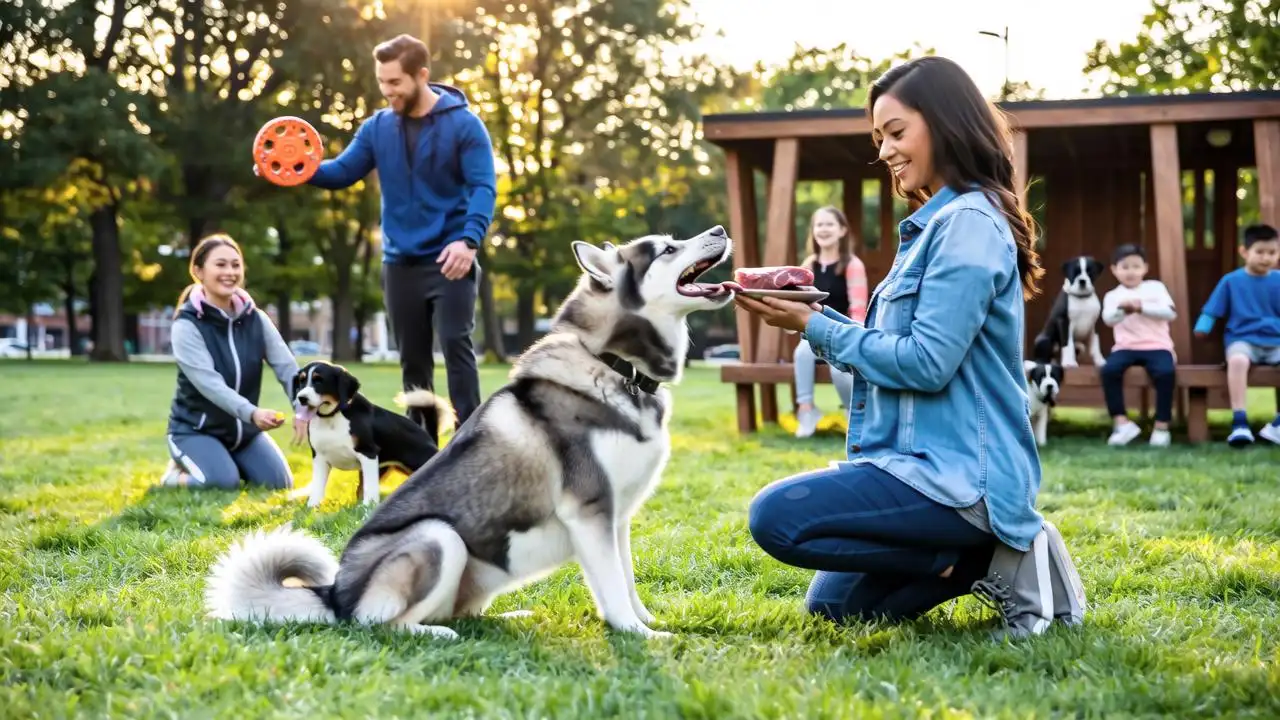
Not all rewards are created equal. For a dog with strong independent tendencies—say, a Husky who'd rather chase deer than come when called—you need high-value reinforcers.
Ask yourself: What does my dog want more than anything right now?
That answer changes moment to moment. At home, kibble might suffice. At the dog park, you'll need better ammunition.
Top-tier trainers recommend building a reward hierarchy:
Here's where most well-meaning owners go wrong: timing.
Imagine you ask your dog to sit. He hesitates, then slowly lowers his butt. You say "Good boy!" and reach for a treat. By the time you hand it over, he's already stood back up.
From his perspective, he was rewarded for standing, not sitting.
In positive reinforcement training, the window for effective feedback is less than three seconds. Anything later confuses the association.
【Disclaimer】The content about Positive Reinforcement Training Tips for Stubborn Dogs is for reference only and does not constitute professional advice. Please consult qualified professionals for decisions. The author and publisher are not responsible for any consequences resulting from using this information.
Jordan Reyes
|
2025.10.30
