

 Feed back
 Privacy Policy
It's 8:47 PM on July 4th, 2025. Across suburban America, lawns glow with fairy lights, grills sizzle, and laughter floats through warm summer air. But inside a split-level home in Denver, Max—a 6-year-old Golden Retriever—is pressed so hard against the closet wall that his toenails click against the baseboard. His breathing is shallow. His ears are flat. Outside, another firework detonates like artillery. He whimpers, then licks compulsively at the carpet. His owner, Sarah, kneels beside him, whispering reassurances she knows won't help. She's not alone. In fact, she's one of over 9 million pet owners across the US who will face this exact scene tonight.
By 2025, we're no longer guessing how to reduce anxiety in dogs during fireworks and thunderstorms in the US—we're acting on real science, smarter tools, and deeper empathy. And the results are transforming lives—both canine and human.
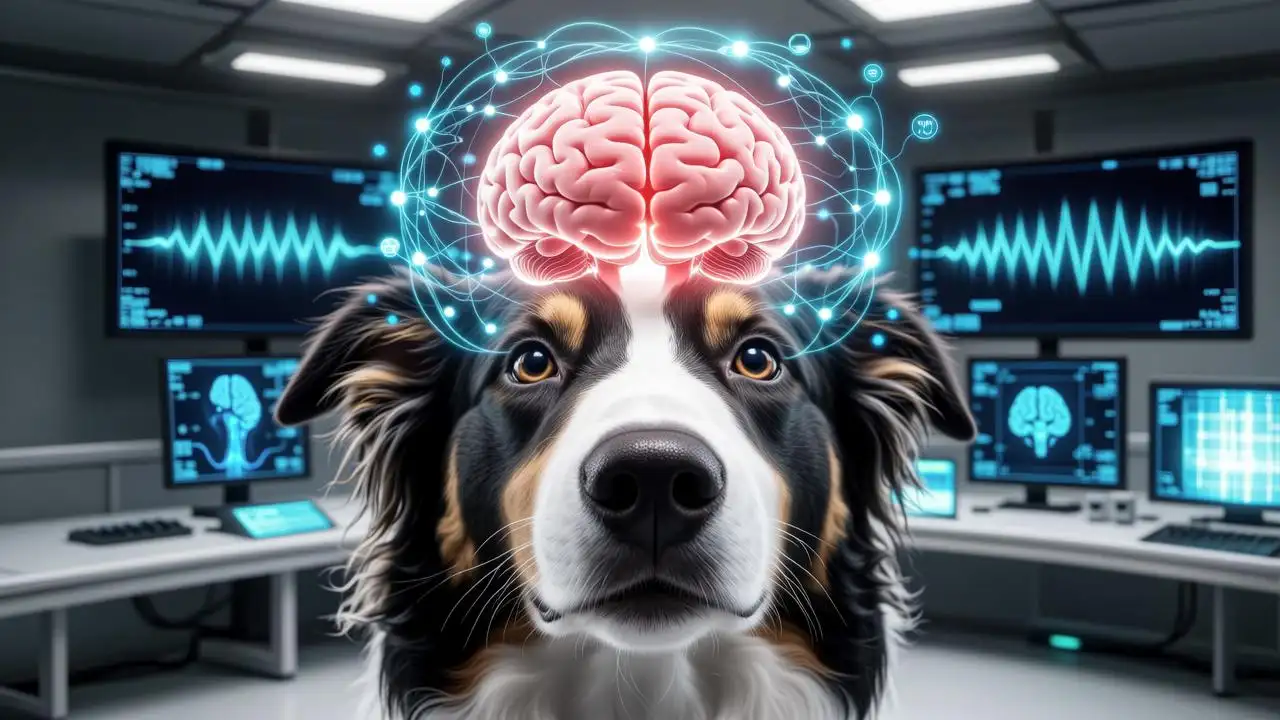
Imagine hearing every sound amplified five times. Now imagine those sounds come unpredictably—booms, cracks, whistles—with no warning and no escape. For humans, it's stressful. For dogs? It's terrifying. Their hearing range extends up to 65,000 Hz (humans cap out around 20,000 Hz), making fireworks not just loud but painfully sharp. Add to that their inability to understand context—they don't know "this is celebration," only "this is danger."
In 2023, the ASPCA reported that over 60% of dogs in the US show signs of noise aversion, with fireworks topping the list, followed closely by thunderstorms. By 2025, that number has risen slightly—not because more dogs are anxious, but because we're better at recognizing subtle signs: lip licking, yawning, pacing, freezing, or even sudden aggression.
Take Bella, a rescue Border Collie in Austin. Her foster mom noticed she'd hide days before Independence Day. Cameras later revealed she began trembling at the first distant pop—hours before anyone else could hear it. This isn't coincidence. Dogs detect barometric pressure shifts and low-frequency rumbles long before humans do. To them, a thunderstorm starts not with rain, but with a creeping sense of doom.
This hyper-awareness is evolutionary. In the wild, sudden loud noises meant predators or environmental threats. Today, our homes offer shelter—but not psychological safety. So when the sky erupts, your dog isn't being "dramatic." They're surviving.
Until recently, we treated noise anxiety like a behavioral quirk. But breakthroughs in canine neurology have changed everything. Using fMRI scans adapted for pets (yes, dogs can be trained to lie still in scanners!), researchers at the University of Pennsylvania's School of Veterinary Medicine mapped brain activity during simulated fireworks exposure.
What they found was startling: the amygdala—the fear center—lights up like a Christmas tree. More importantly, the prefrontal cortex, responsible for rational thought, shows minimal activity. Translation? Your dog isn't choosing to panic. Their brain is literally bypassing logic and screaming "DANGER!"
But here's the hopeful part: neuroplasticity works in dogs too. With consistent, science-backed interventions, we can rewire fear responses. Think of it like teaching someone afraid of flying to associate planes with calm, not catastrophe. The key? Starting early—and using multiple tools.
One 2024 study published in Frontiers in Veterinary Science showed that dogs exposed to gradual, controlled sound desensitization paired with positive reinforcement reduced panic behaviors by 72% over six months. These weren't miracle cures. They were patient, methodical programs built on trust.
So yes—how to reduce anxiety in dogs during fireworks and thunderstorms in the US isn't guesswork anymore. It's neuroscience, timing, and compassion.
You've probably heard of the "safe space" concept. But in 2025, we know most people get it wrong. Throwing a blanket over a crate doesn't cut it. A true safe room is engineered for sensory control.
Here's how to build one:
1. Location Matters: Choose an interior room with no windows—bathrooms, closets, or windowless bedrooms work best. Avoid basements unless you've addressed humidity and ventilation (damp smells can heighten stress).
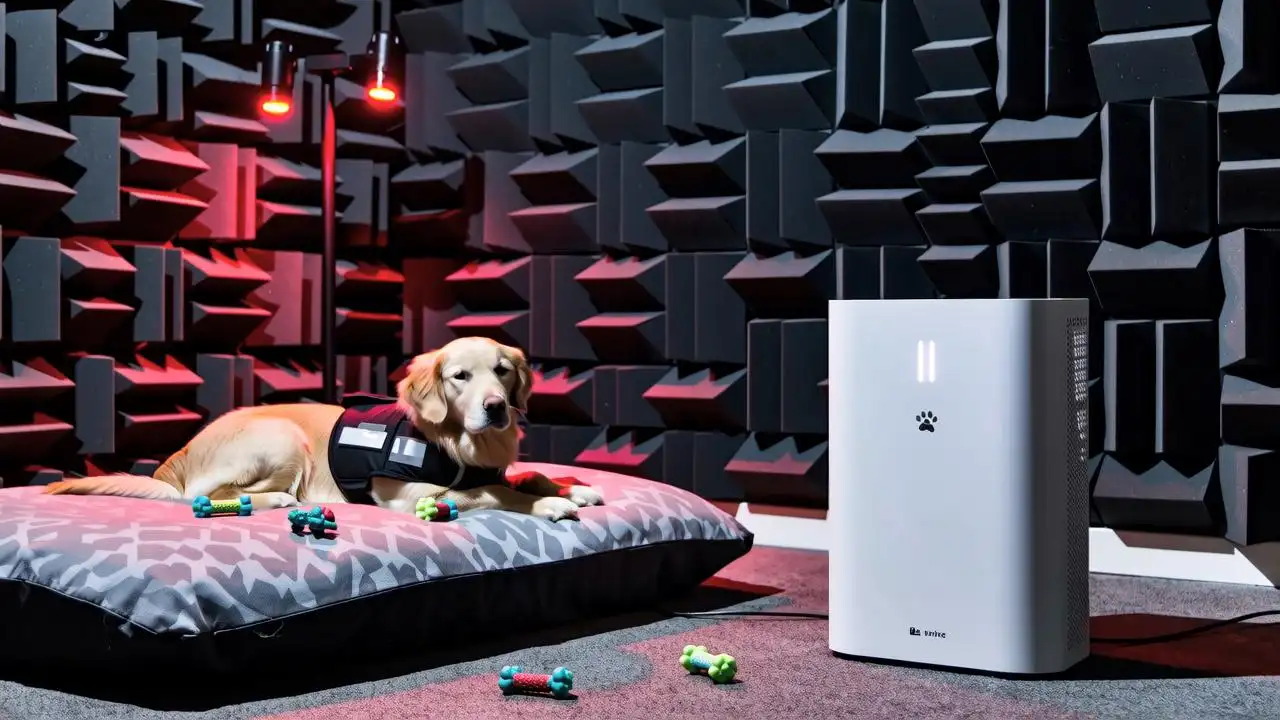
2. Soundproofing Upgrade: Use mass-loaded vinyl panels behind drywall, or install acoustic foam tiles. Even renters can use heavy curtains or portable sound barriers. Brands like QuietPup now sell modular kits designed specifically for dog dens.
3. White Noise + Frequency Masking: Standard white noise machines help, but newer models like SootheDog Pro emit targeted frequencies that disrupt the resonance of fireworks and thunder. Think of it as auditory camouflage.
4. Comfort Layering: Include a memory foam bed, familiar toys, and an item of your clothing. Scent is powerful—your smell signals safety.
5. Light Control: Use dim red bulbs (less stimulating than blue-white light) or smart lighting that mimics sunset patterns.
6. Pre-Event Routine: Start using the room before the storm or fireworks. Feed meals there, play calming music, let your dog nap. This builds positive association.
In a 2025 pilot program in Colorado, where thunderstorms peak in summer, 89% of participating dogs showed reduced anxiety markers after four weeks of safe room training. One participant called it "a panic attack prevention zone."
The lesson? Environment shapes emotion. And in 2025, we design environments with intention.
Gone are the days of relying solely on hugs and treats. Today's toolkit blends biology, technology, and behavioral science.
1. Pressure Therapy (Beyond ThunderShirts): Compression garments aren't new, but their design is evolving. In 2025, smart anxiety wraps like CalmBand+ use embedded sensors to monitor heart rate variability (HRV). If stress spikes, they gently tighten in rhythmic pulses—mimicking the soothing effect of hand-holding. Clinical trials show HRV improves within 90 seconds of activation.
2. Pheromone Diffusers with AI Integration: Adaptil (dog-appeasing pheromone) has been around for years. Now, devices like TranquilPaws AI release pheromones only when environmental triggers are detected—via microphones linked to weather APIs. If a storm is incoming or fireworks begin, the diffuser activates automatically. No wasted product. No missed cues.
3. Prescription-Grade Sound Therapy: Apps like FearFree Sounds offer personalized playlists based on your dog's breed, age, and history. A Chihuahua might respond best to low-frequency drones; a Labrador may prefer classical music layered with nature sounds. Machine learning adjusts over time.
4. CBD & Natural Supplements—With Caveats: CBD oil remains popular, but quality varies wildly. In 2025, the FDA has begun regulating pet CBD products under the Animal Wellness Act of 2024. Look for third-party lab testing and THC-free formulas. Vets increasingly recommend Suntheanine (L-theanine), alpha-casozepine (from milk protein), and melatonin—all shown in studies to reduce cortisol levels without sedation.
5. Tele-Veterinary Behaviorists: Thanks to expanded telehealth coverage, you can now consult a board-certified veterinary behaviorist from your living room. Platforms like BarkMind connect you with specialists who create custom plans—including medication if needed (e.g., trazodone or fluoxetine for severe cases).
The future isn't one solution. It's layers—like an onion of calm.
Interactive Flowchart: "What Should You Do When Your Dog Fears Loud Noises?"p>
- Inputs: Breed, age, symptom severity (mild pacing → full-blown panic), history of escape attempts
- Pathways: Non-medicated vs. medicated routes, DIY vs. professional support
- Outputs: Recommended products, training timelines, vet referral flags
- Embedded links to local trainers, noise desensitization audio tracks, and emergency GPS collar options
This tool, piloted by the American College of Veterinary Behaviorists in early 2025, is projected to reduce ER visits for anxious dogs by 30% over two years.
Q: Are thunder shirts really effective?
A: For mild-to-moderate cases, yes—especially when combined with other tools. But they're not magic. Think of them like noise-canceling headphones: helpful, but not a cure-all. Newer models with biofeedback are far more effective than basic compression vests.
Q: Can I give my dog CBD before fireworks?
A: Only if it's vet-approved, third-party tested, and THC-free. Dosage matters—too much can cause drowsiness or gastrointestinal upset. In 2025, many vets prescribe CBD in combination with behavioral training, not as a standalone fix.
Q: What if my dog runs away during storms?
A: This is critical. Over 300,000 dogs go missing each July 4th in the US. Microchip your dog, use a GPS collar (like Fi Series 4), and ensure your yard is escape-proof. Consider a thunderstorm-specific insurance rider—some policies now cover search costs.
We used to think noise anxiety was just "part of having a dog." But in 2025, we know better. We understand that how to reduce anxiety in dogs during fireworks and thunderstorms in the US isn't about quick fixes—it's about respect. Respect for their senses, their brains, and their right to feel safe in their own home.
The tools exist. The science is clear. The question is no longer can we help them—but whether we will.
Because the next time the sky explodes, your dog shouldn't have to face it alone.
[Disclaimer] The content about How to Reduce Anxiety in Dogs During Fireworks and Thunderstorms in the US mentioned in this article is for reference only and does not constitute professional advice in any related field. Please make decisions carefully based on your own circumstances and consult qualified professionals when necessary. The author and publisher are not responsible for any consequences resulting from actions taken based on this article.
Dr. Sarah Mitchell
|
2025.10.30
