

 Feed back
 Privacy Policy
You're on your third attempt to get your golden retriever puppy to sit. You say "sit," you tug the leash slightly, you offer a treat—but he just stares at you like you've asked him to solve calculus. You feel defeated. He's not stubborn—he's just confused. And you? You're missing one tiny tool that could change everything: the clicker.
Welcome to 2025, where pet ownership has evolved beyond dominance myths and punishment-based methods. Today's smartest dog owners aren't yelling or jerking leashes—they're clicking. Not because it's trendy, but because neuroscience proves it works. In fact, a 2024 study from the ASPCA Behavioral Research Unit found that dogs trained with positive reinforcement plus a clicker learned new behaviors 47% faster than those using verbal cues alone.
This isn't magic. It's mechanics. And once you understand how a $6 dog clicking device can rewire your pet's brain, you'll wonder why you ever tried training without one.
Let's dive into the top 10 clicker training exercises designed specifically for beginner pet owners—and discover how shaping behavior with clicker precision turns chaos into connection.

Meet Sarah Kim, a software engineer and first-time dog owner in Denver. Last winter, she adopted Luna, a two-year-old border collie mix from a rural shelter. Eager to bond, Sarah started teaching commands right away. But after weeks of repetition, Luna still wouldn't come when called—especially near squirrels.
"I felt like I was failing her," Sarah told me during a virtual training session. "I'd say 'come' five times. Sometimes I'd shout. Sometimes I'd run after her. She'd eventually trot over, but only after ignoring me completely."
Sound familiar?
Sarah wasn't doing anything wrong—she was just working without a timing mechanism. Dogs don't learn through volume or repetition; they learn through consequence. Specifically, they connect actions with outcomes within half a second. If the reward comes too late, the link breaks.
That's where the clicker changes everything.
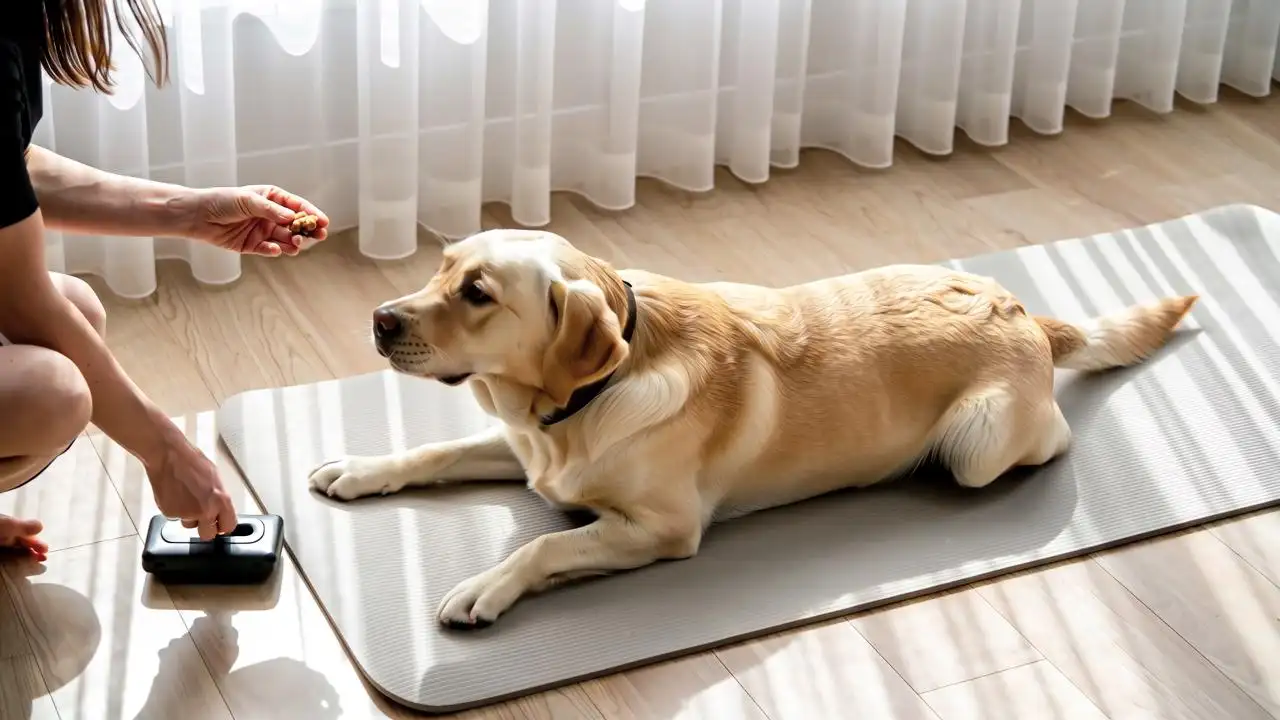
Think of the clicker as a camera shutter for behavior. When your dog does something right—say, sits spontaneously—you press the button. That sharp, consistent click! marks the exact moment of success.
Unlike human voices, which vary in tone and emotion, the clicker produces the same sound every time. This consistency makes it a perfect bridging stimulus, bridging the gap between action and reward.
In 2025, we know more than ever about canine cognition. fMRI scans show that when a dog hears a click followed by a treat, dopamine spikes in the brain's reward center—the same way it does in humans anticipating good news. Over time, the click itself becomes rewarding. It's not just noise; it's information.
And here's the kicker: according to researchers at the University of Pennsylvania School of Veterinary Medicine, dogs trained with a clicker showed 32% higher retention rates after three weeks compared to those trained with voice markers like "good boy."
For beginners, this means faster progress, less frustration, and a stronger emotional bond. No wonder clicker training for beginners remains one of the most recommended entry points into modern dog education.
Imagine you're learning to play tennis blindfolded. Someone tells you whether your swing was "good" or "bad"... but only after you've already dropped the racket. Frustrating, right?
That's what it's like for dogs trained without precise feedback. They're guessing what pleases us.
Now imagine someone rings a bell the instant your form is correct—even if you haven't hit the ball yet. Suddenly, you start adjusting your stance, your grip, your follow-through—all because you know exactly what earned that ring.
That's shaping behavior with clicker in action.
Shaping means reinforcing small steps toward a final goal. Want your dog to roll over? Don't wait for the full roll. Click for lying down. Then for turning the head. Then for shifting weight. Each micro-behavior gets marked and rewarded until the complete trick emerges naturally.
In 2025, apps like FetchAI and ClickTrack Pro are helping owners visualize this process with real-time feedback loops. But you don't need tech. Just a dog clicking device, some high-value treats, and patience.
Before we jump into the exercises, let's fix the most common errors:
Avoid these traps, and you're ready to build real skills.
These exercises are curated for 2025's urban pet owners—people living in apartments, walking busy sidewalks, juggling work and life. Each builds confidence, focus, and communication.
Goal: Teach your dog to make eye contact on command.
Goal: Capture spontaneous sitting.
Goal: Teach your dog to touch your hand with their nose.
Goal: Prevent scavenging and food theft.
Goal: Calmness on command.
Goal: Build coordination and engagement.
Goal: Prevent bolting out doors.
Goal: Play that ends politely.
Goal: Stop excessive barking.
Goal: Activate natural instincts.
Q: Is clicker training outdated now that we have apps and wearables?
A: Not at all. While tech helps track progress, the clicker's simplicity and immediacy remain unmatched. Think of it like pen-and-paper versus AI writing—it's foundational.
Q: Can I use my phone's camera shutter sound instead of a dog clicking device?
A: Technically yes, but not ideal. Phones have delays, variable sounds, and visual distractions. A physical clicker costs less than $10 and fits on your keychain.
Q: My dog is 7 years old. Is it too late to start clicker training?
A: Absolutely not. Dogs of all ages respond to clear communication. In fact, older dogs often excel because they're less easily distracted. Start slow, celebrate small wins.
[Disclaimer] The content about Top 10 Clicker Training Exercises for Beginner Pet Owners is for reference only and does not constitute professional advice. Please consult qualified professionals when making decisions. The author and publisher are not responsible for any consequences resulting from using this information.
Elena Ramirez
|
2025.10.30
