

 Feed back
 Privacy Policy
You open a fresh bag of premium kibble. The label boasts "complete nutrition," "fortified with vitamins," and "veterinarian recommended." You pour it into your cat's bowl with pride—only for her to sniff once and walk away. Again. By midnight, she's meowing at your bedroom door, not for affection, but for the leftover grilled chicken on your plate. Sound familiar?
Here's the uncomfortable truth: nearly 68% of indoor cats in the US show signs of suboptimal nutrition by age five, according to a 2024 National Feline Health Survey. And one of the biggest culprits? Diets too low in animal-sourced protein and overloaded with plant fillers. In 2025, this isn't just a pet owner's hunch—it's a veterinary consensus. Cats aren't small dogs. They're obligate carnivores, built by evolution to run on meat, moisture, and minimal carbs. So when we feed them like omnivores, no wonder they're picky, lethargic, or prone to urinary crystals and obesity.
Enter the rise of high protein cat food—not as a fad, but as a biological imperative. In the past three years, sales of high-protein, grain-free, and especially wet formats have surged by over 42% across the US market. Brands are responding with innovative formulas that mimic a cat's natural prey: muscle meat, organs, bones, and hydration. But with so many options crowding store shelves and Amazon listings, how do you separate science from marketing spin?
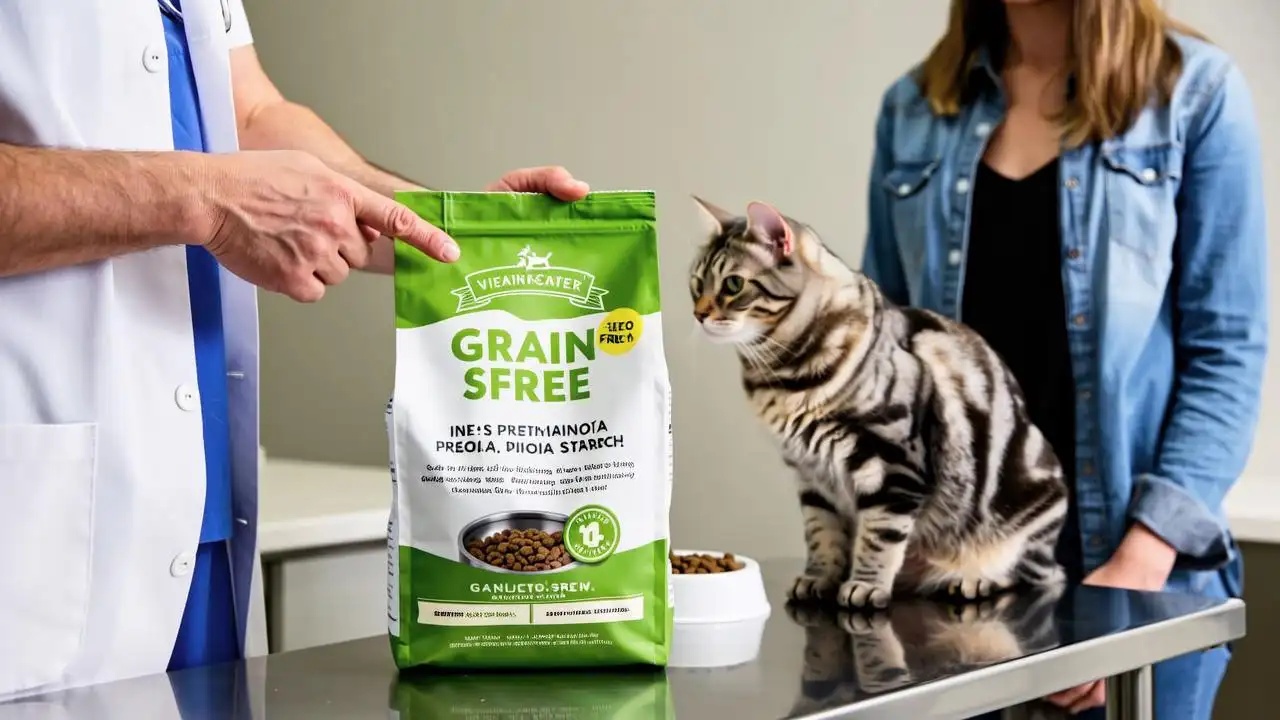
Meet Luna, a 3-year-old domestic shorthair from Portland, Oregon. Her owner, Sarah, feeds her a well-known "premium" dry food labeled "grain-free" and "high in protein." Yet Luna is constantly begging for human food, drinks little water, and was recently diagnosed with early-stage urinary crystals. Confused, Sarah brought the food bag to her vet. "It says grain-free," she said. "Isn't that good?"
The vet smiled gently. "Yes, but look at the first five ingredients: pea protein, tapioca, chicken meal, dried potatoes, turkey meal. Where's the actual meat? And did you know this kibble is only 32% protein on a dry matter basis? For a cat, that's barely above survival level."
This story plays out in vet clinics every day. "Grain-free cat food" has become a misleading label. Removing corn or wheat doesn't automatically make a diet species-appropriate. Many grain-free kibbles replace grains with legumes and starches—pulses like peas and lentils—that can spike blood sugar and lack the amino acid profile cats need. Taurine, arginine, methionine—these critical nutrients come from animal tissue, not plants.
Five years ago, feeding wet cat food was seen as a luxury or a medical necessity. Today, it's becoming the gold standard. Why? Because wet cat food naturally aligns with feline biology in ways kibble never can.
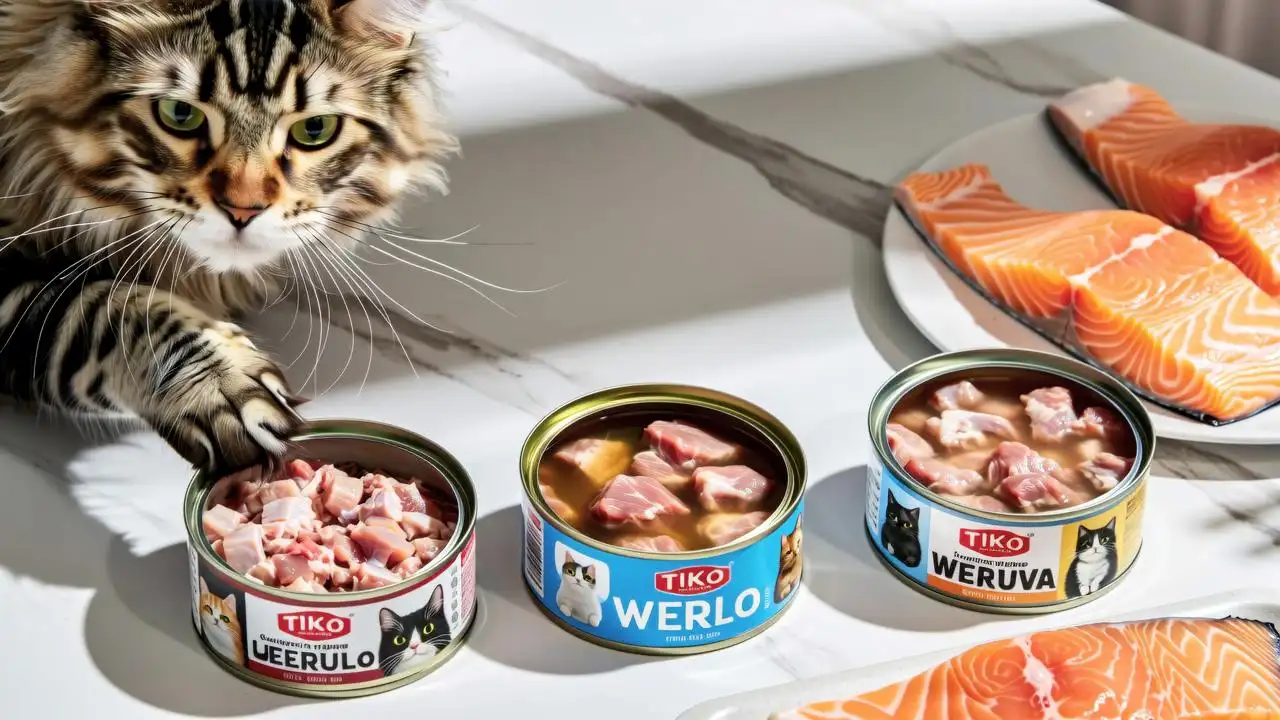
Take Tiki Cat Puka Luau: 95% moisture, 12% protein (as-fed), which translates to roughly 55% on dry matter basis—well within the ideal range. Compare that to a typical kibble at 10% moisture and 32% protein (as-fed), which drops to around 35% when adjusted. The difference is massive.
Q: Can high-protein diets harm cats with kidney issues?
A: Not necessarily. For healthy cats, high protein is beneficial. But for cats with advanced kidney disease, vets may recommend reduced phosphorus and moderated protein—usually through prescription diets. Always consult your vet before making major dietary changes for a sick cat.
Q: Is grain-free always better for cats?
A: Not inherently. The benefit comes from reducing carbs and fillers, not just grains. Some grain-inclusive foods use whole grains like oats in small amounts and are still high in meat. Focus on ingredient quality and carb content, not just the "grain-free" label.
【Disclaimer】 The content about Top High-Protein Cat Food Options in the US Market 2025 is for reference only and does not constitute professional advice. Please consult qualified experts before making decisions. The author and publisher assume no responsibility for actions taken based on this content.
Elena Thompson
|
2025.10.30
